
Have you ever visited a place where everything suddenly feels… quieter? Not because there’s no sound, but because you’re standing somewhere that carries so much meaning, you instinctively lower your voice. That’s exactly how Philippi felt to us.
Tucked away in northern Greece, this ancient city isn’t just a collection of ruins—it’s a place where history and faith gently overlap. Walking through Philippi, knowing that St. Paul once preached here and helped shape early Christianity in Europe, felt incredibly grounding. It wasn’t flashy or overwhelming. It was calm, reflective, and surprisingly emotional.
In this post, I’m sharing what it’s really like to visit Philippi, Greece—from wandering through ancient ruins and standing near the prison of Paul and Silas, to why this UNESCO World Heritage Site leaves such a lasting impression. If you’re interested in biblical sites in Greece, ancient history, or meaningful travel experiences, this one might just stay with you too.
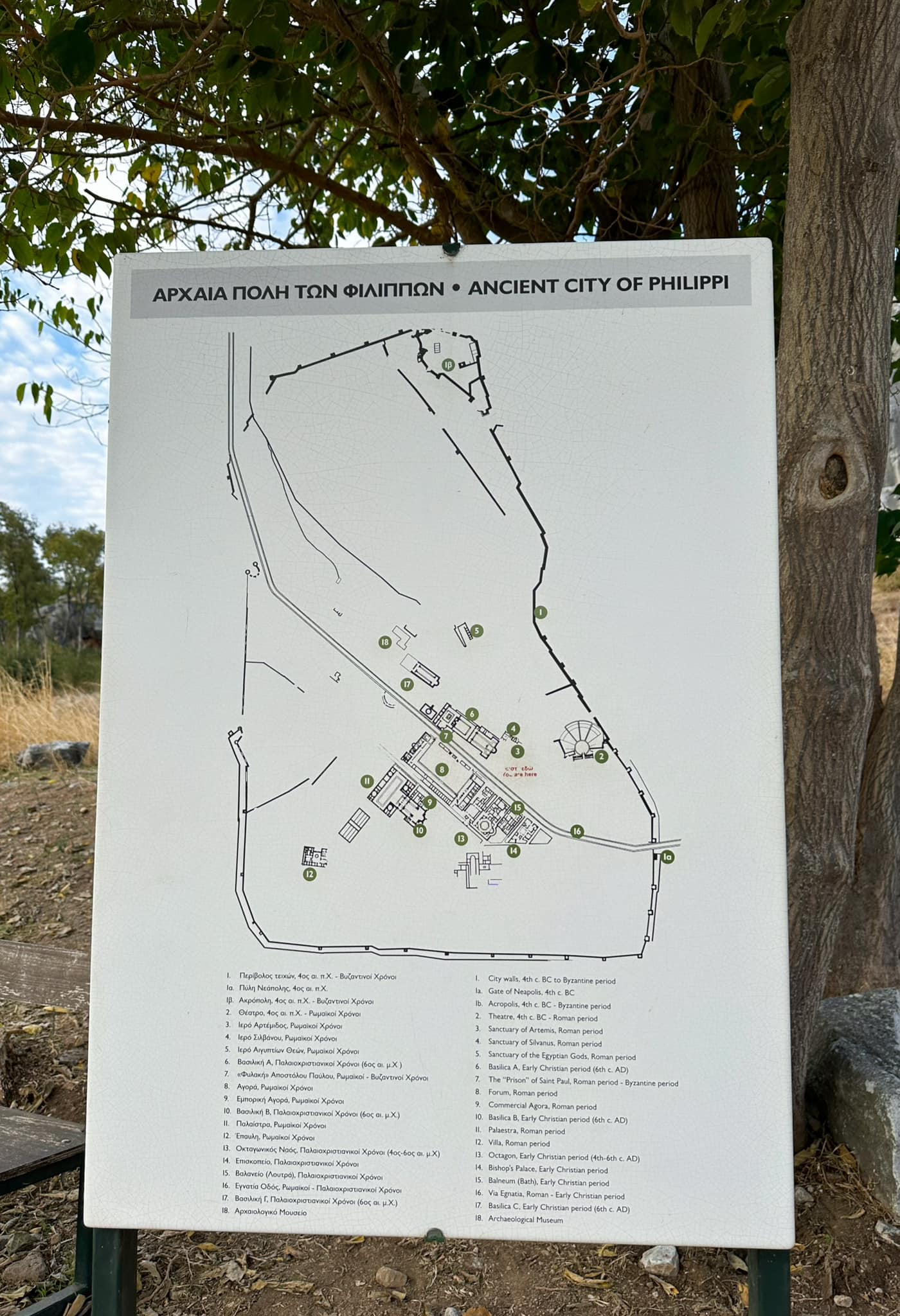
Arriving in Philippi: That “Wow” Moment You Don’t Expect
From the moment we arrived, Philippi felt different from other historical sites we’d visited. The ruins stretch out across a wide, open landscape—columns rising from the ground, stone pathways smoothed by centuries of footsteps, and quiet corners that invite you to slow down. It honestly felt like an open-air museum, but without the crowds or noise.
As we walked through the site, I kept thinking about how many people had stood right where we were—traders, locals, soldiers, and yes, St. Paul himself. It’s humbling in the best way.

Our tour guide made all the difference. She didn’t just recite dates and facts; she told stories. Biblical stories, historical moments, and little details that made everything feel real. When she spoke about Paul and Silas being imprisoned here after freeing a slave girl, and we stood near what is believed to be the ancient prison, I felt chills. It’s one thing to read about it. It’s another to stand there.
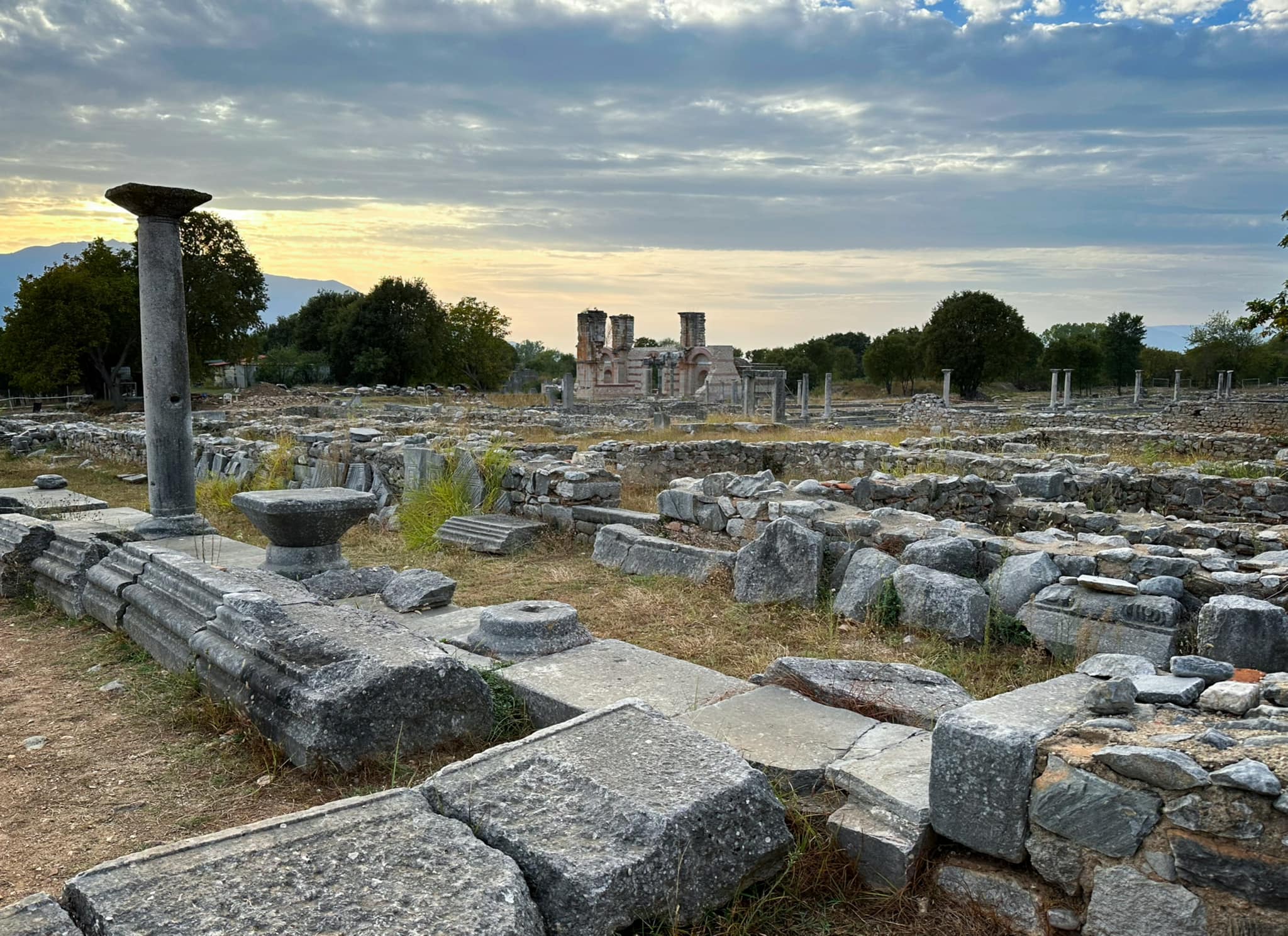
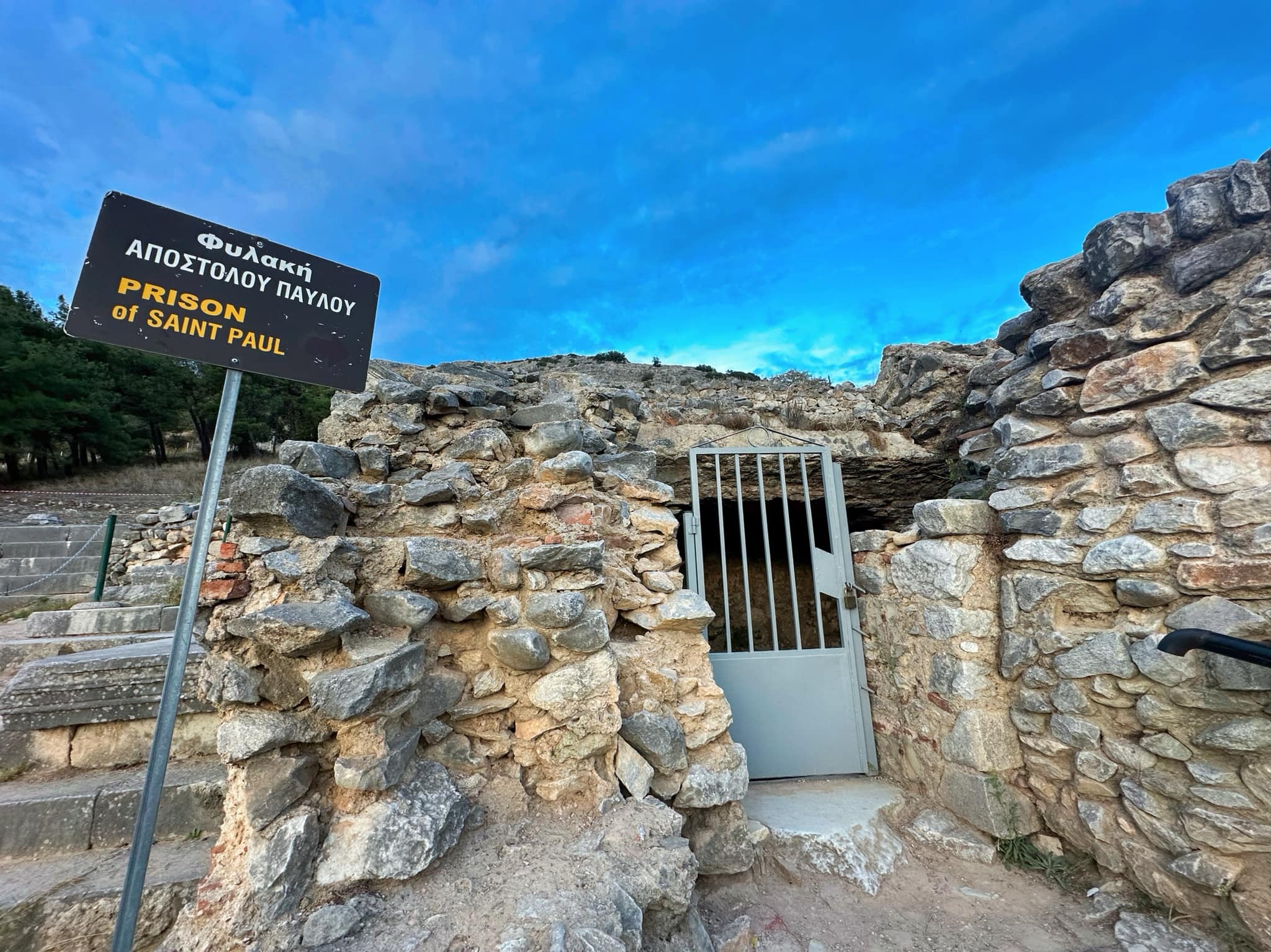
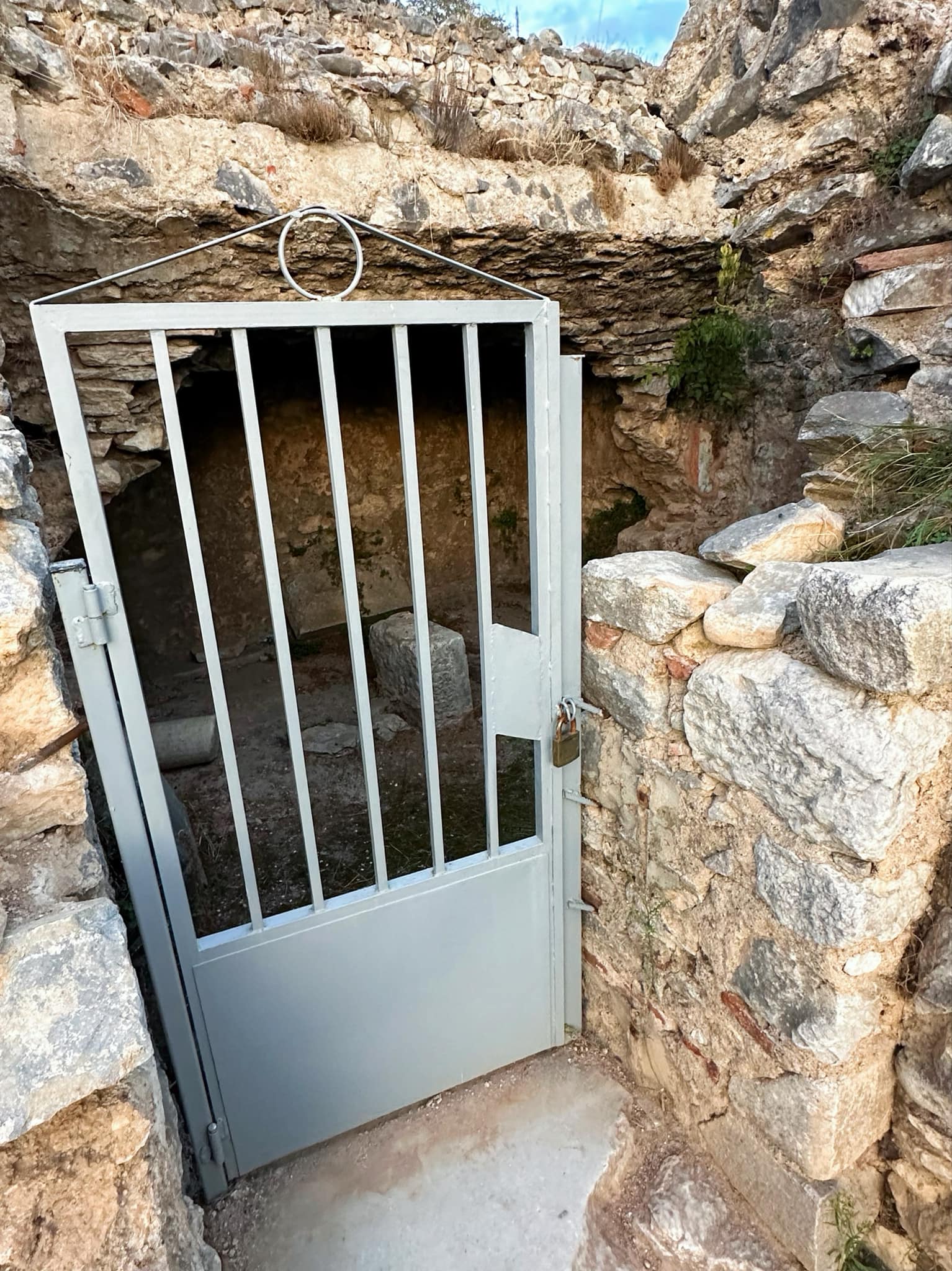
The Theater, the Agora, and a Road That Changed History
One of my favorite spots in Philippi was the ancient theater. Originally built by the Greeks and later expanded by the Romans, it’s incredibly well preserved. We sat on the stone seats for a moment, just taking it in. No performance, no noise—just imagination filling in the gaps.

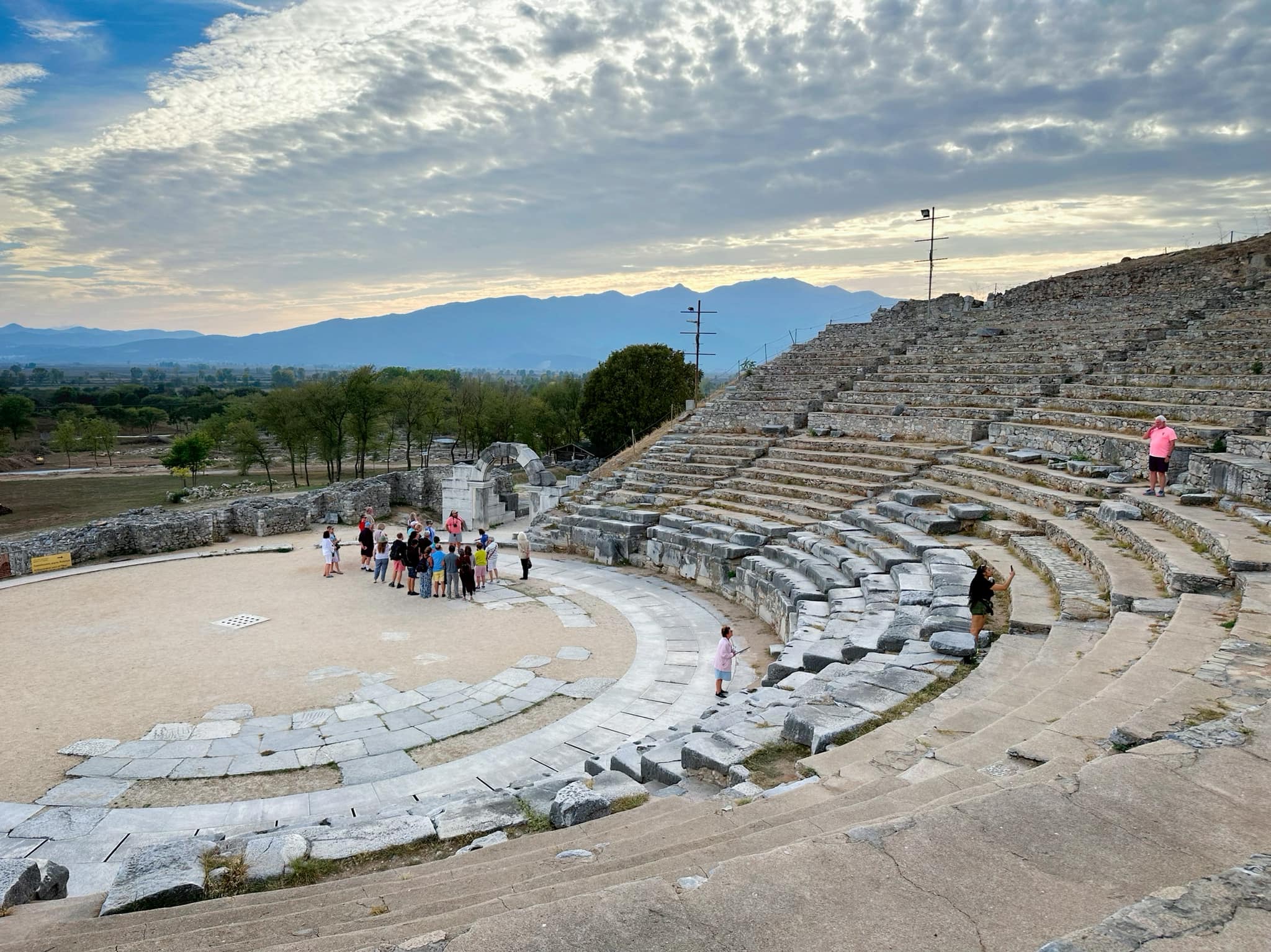
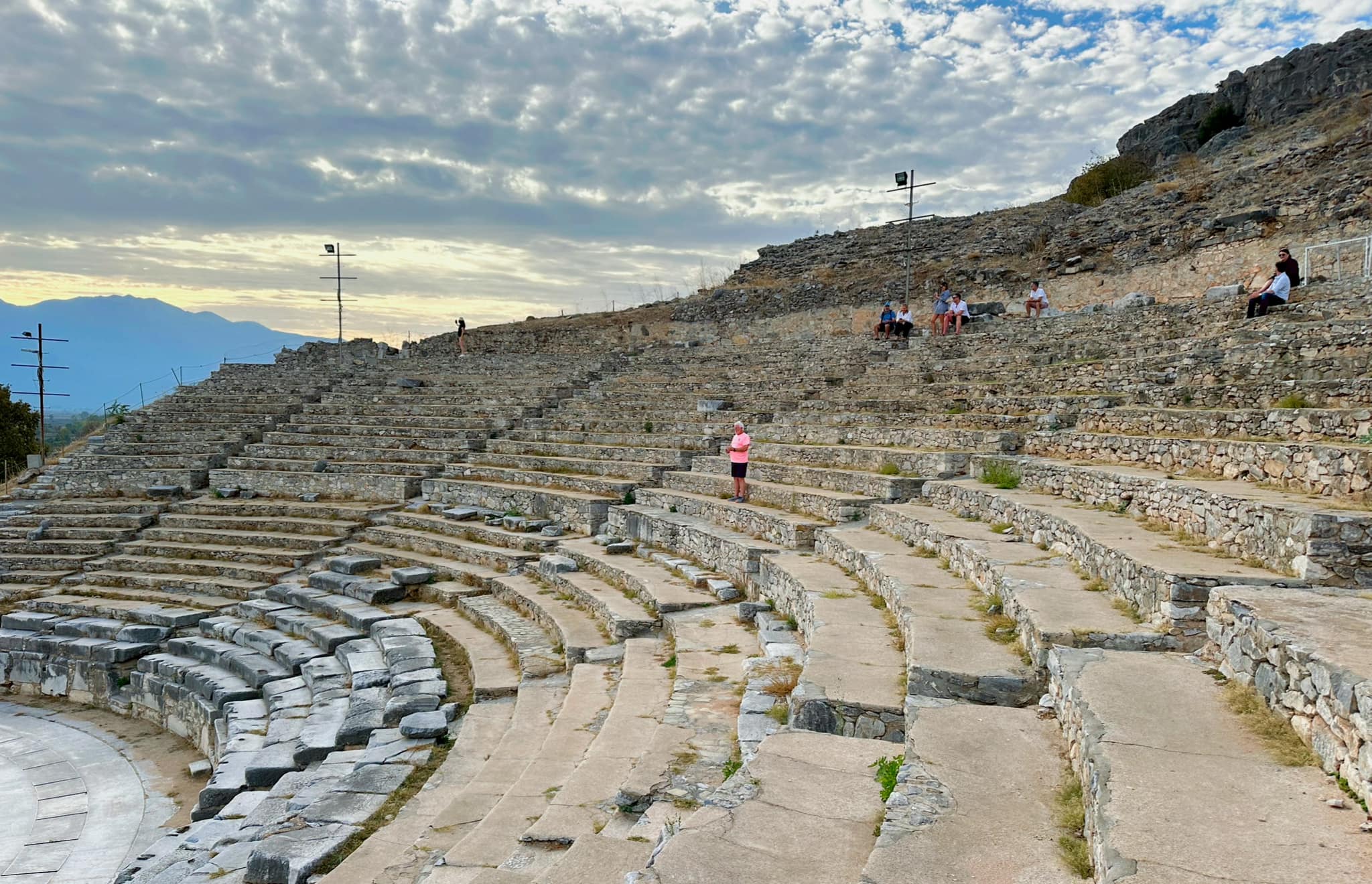
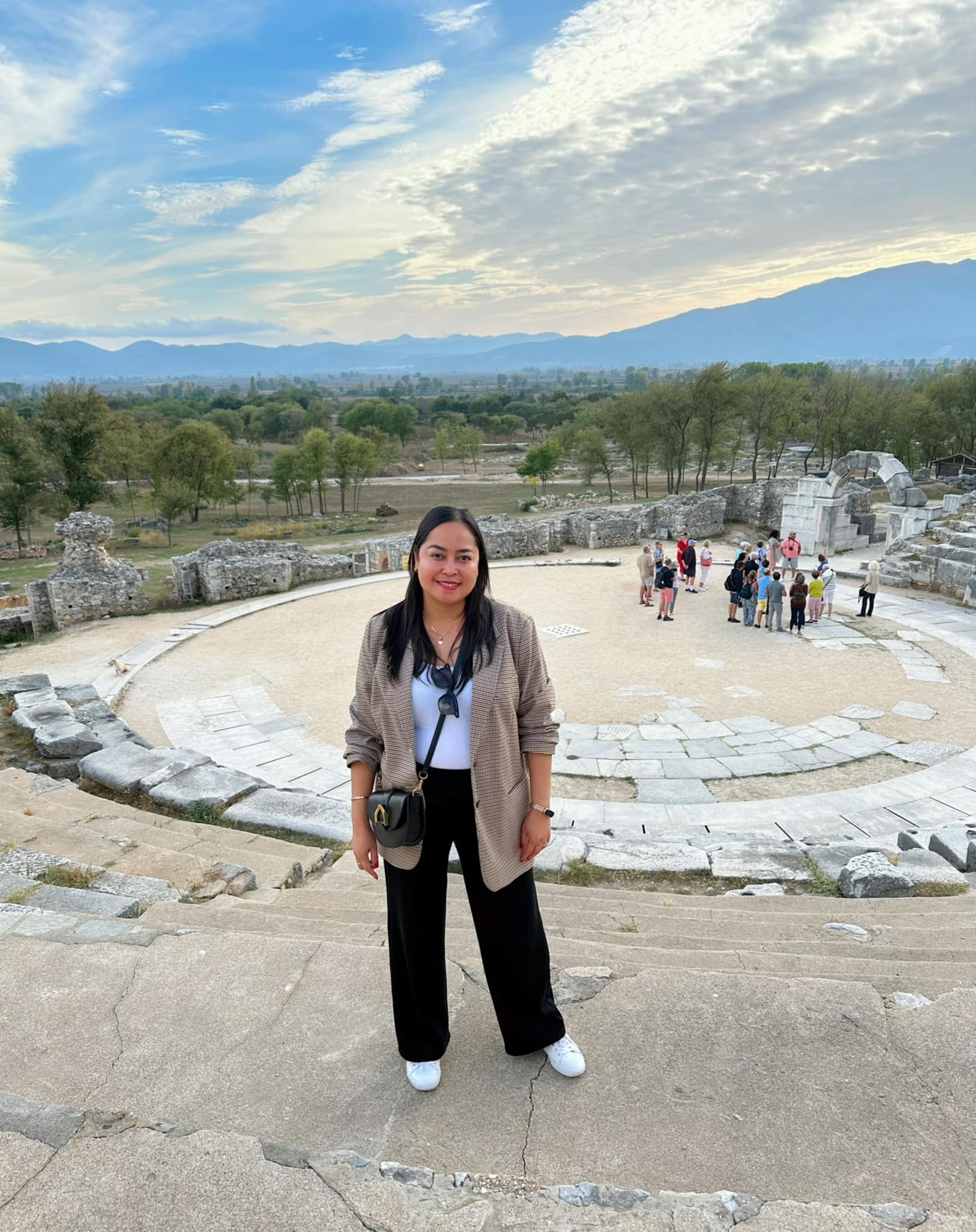
The Agora, once the heart of daily life, was another place where it felt easy to picture the past. Merchants calling out, people gathering, life happening. And then there’s the Via Egnatia—the ancient Roman road that once connected Rome to Byzantium. Walking along it, knowing St. Paul likely traveled this very path, added another layer of meaning to the visit.
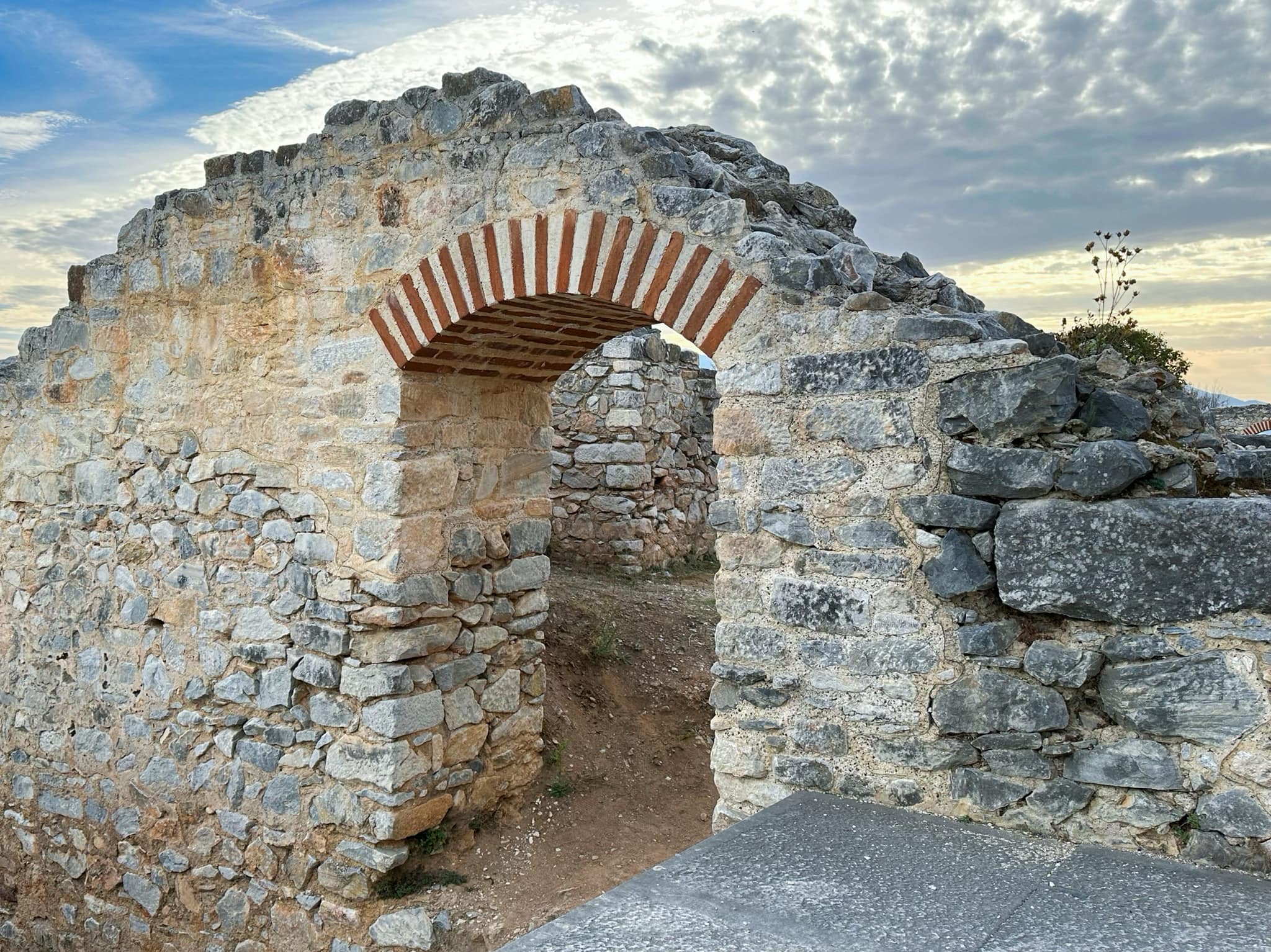
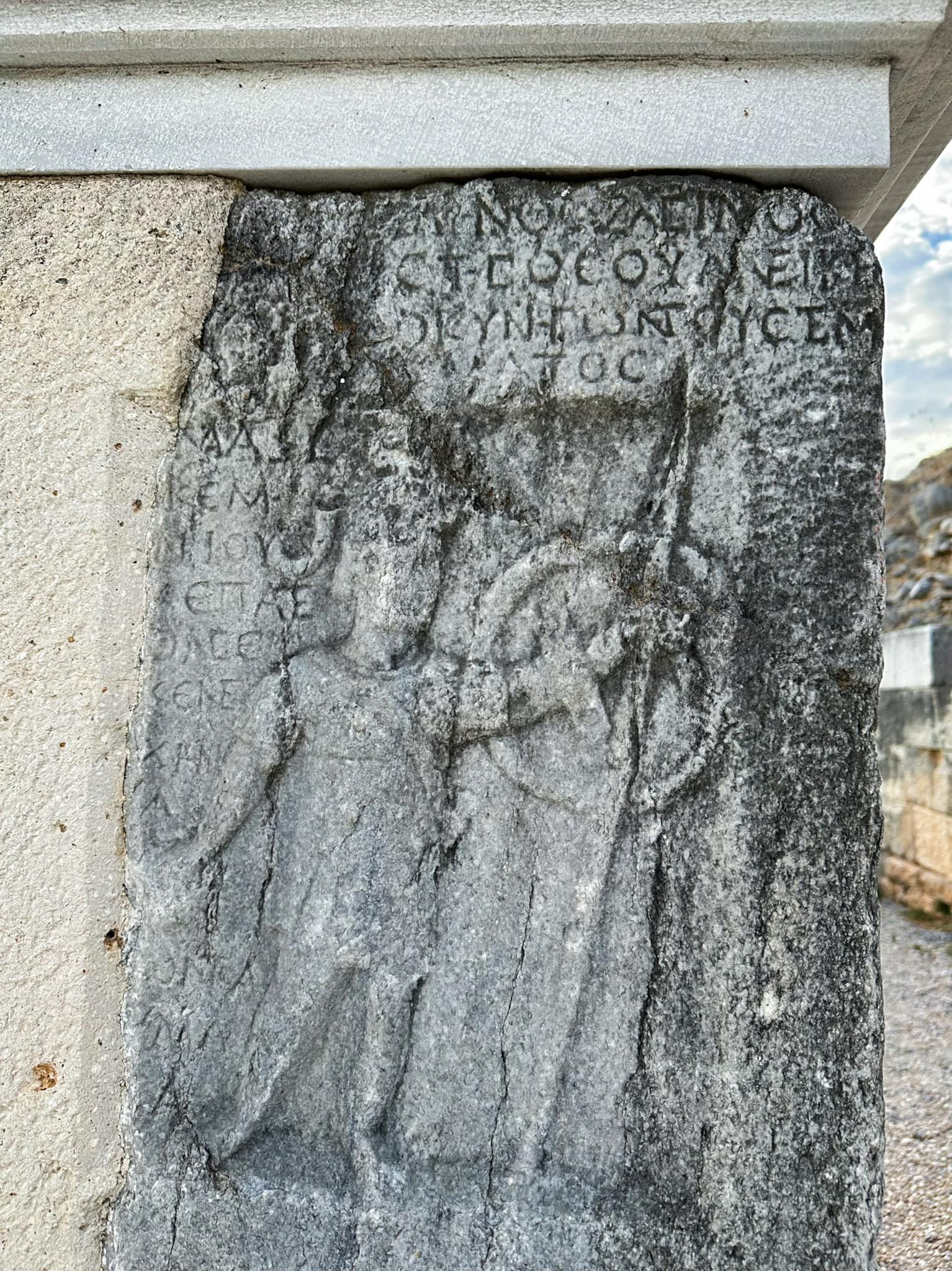
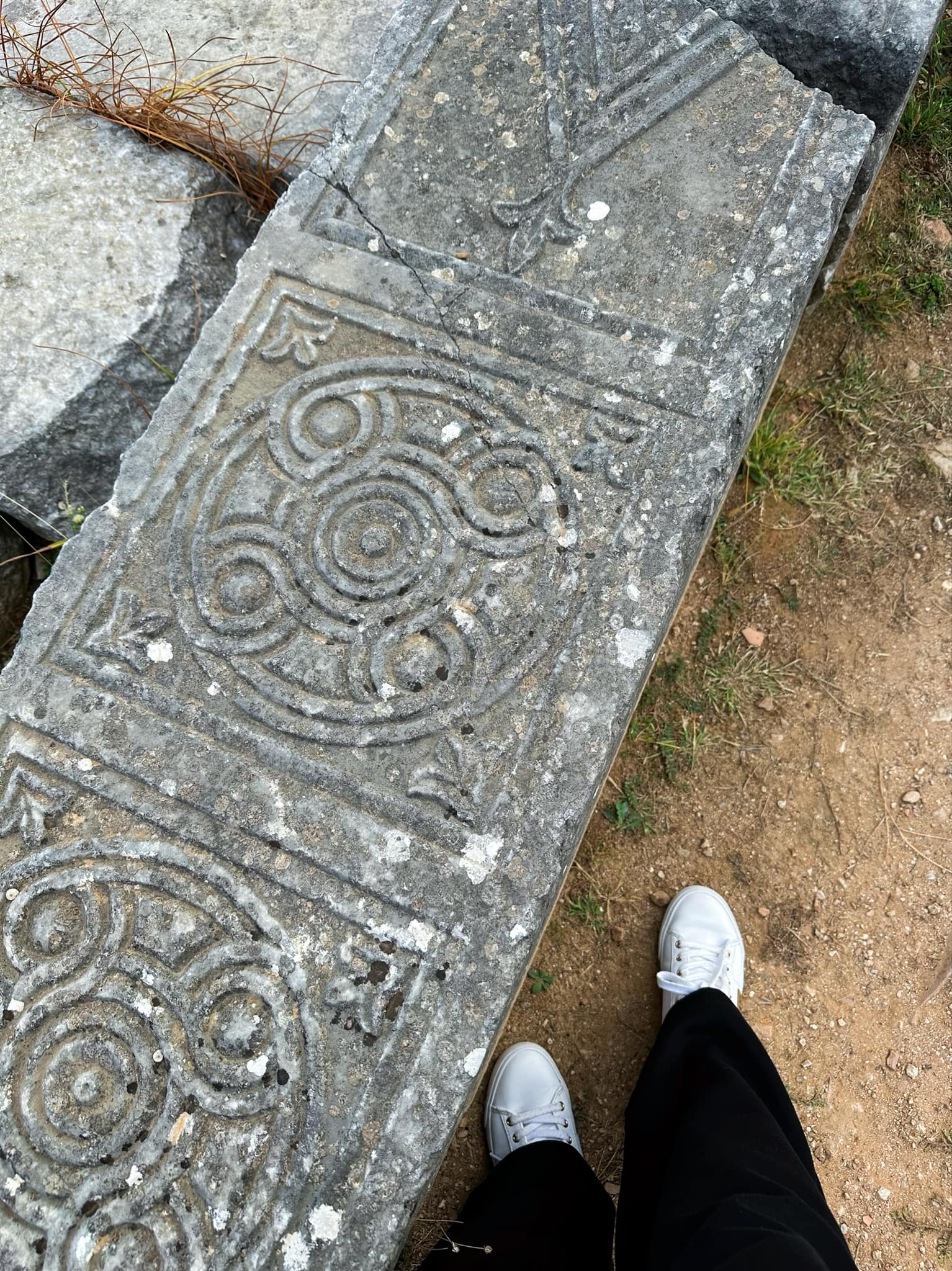
Why Philippi Stays with You
Yes, Philippi is a UNESCO World Heritage Site, and yes, it’s rich in ancient Greek and Roman history. But what makes it special is how quietly powerful it feels. There’s no rush here. No pressure to “see it all.” You just walk, listen, reflect.
Our visit didn’t feel like checking off a sightseeing stop—it felt like a pause. A moment to connect with the roots of early Christianity and the stories that shaped so much of the world we know today.
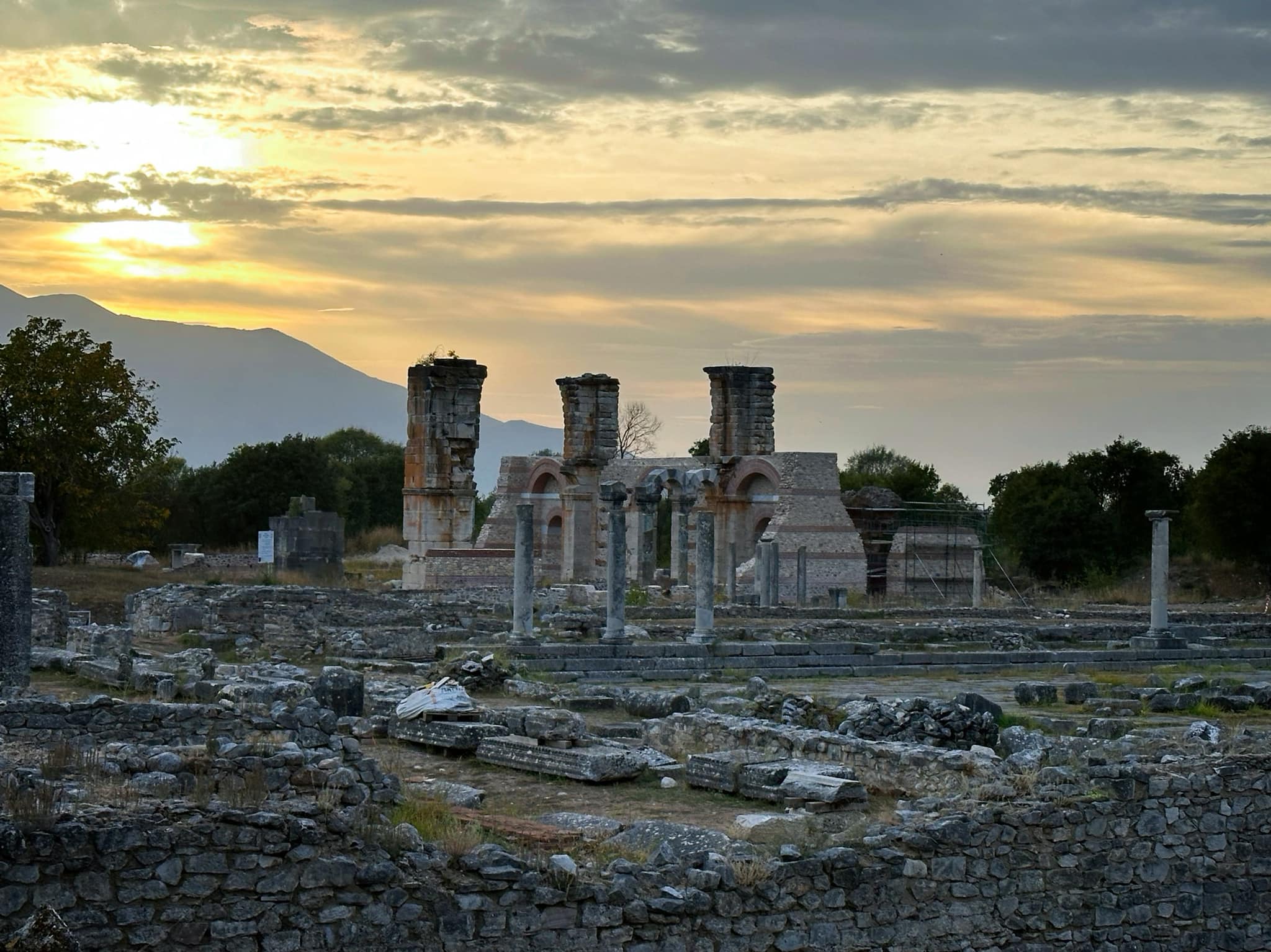
If you’re traveling through northern Greece, or planning a faith-based or historical journey, don’t skip Philippi. Walk the ancient streets, sit with the silence, and let the place speak to you. Some destinations impress you. Others stay with you. Philippi does both.

 Travels by Cheryl Anne